 blog
Dependable Event Catering: Dine-In, Pickup & Delivery
Table of Contents
- Why Dependable Event Catering Comes Down to How You Get the Food
- Dine-In, Pickup, or Delivery: A Side-by-Side Comparison
- How Far in Advance to Order Catering (and Why It Matters)
- Catering for Birthday Parties: Keeping Kids, Parents, and Picky Eaters Happy
- Your Event Catering Order Checklist
- Menu Planning for a Crowd: Guest Count, Dietary Needs, and Variety
- Office Lunch and Business Meeting Catering That Shows Up On Time
- Conclusion
- Frequently Asked Questions
Last Updated: October 21, 2026
Why Dependable Event Catering Comes Down to How You Get the Food
Here's the thing nobody tells you about event catering: the food is only half the battle. The other half is how it actually gets to your guests, and that's where most plans fall apart.
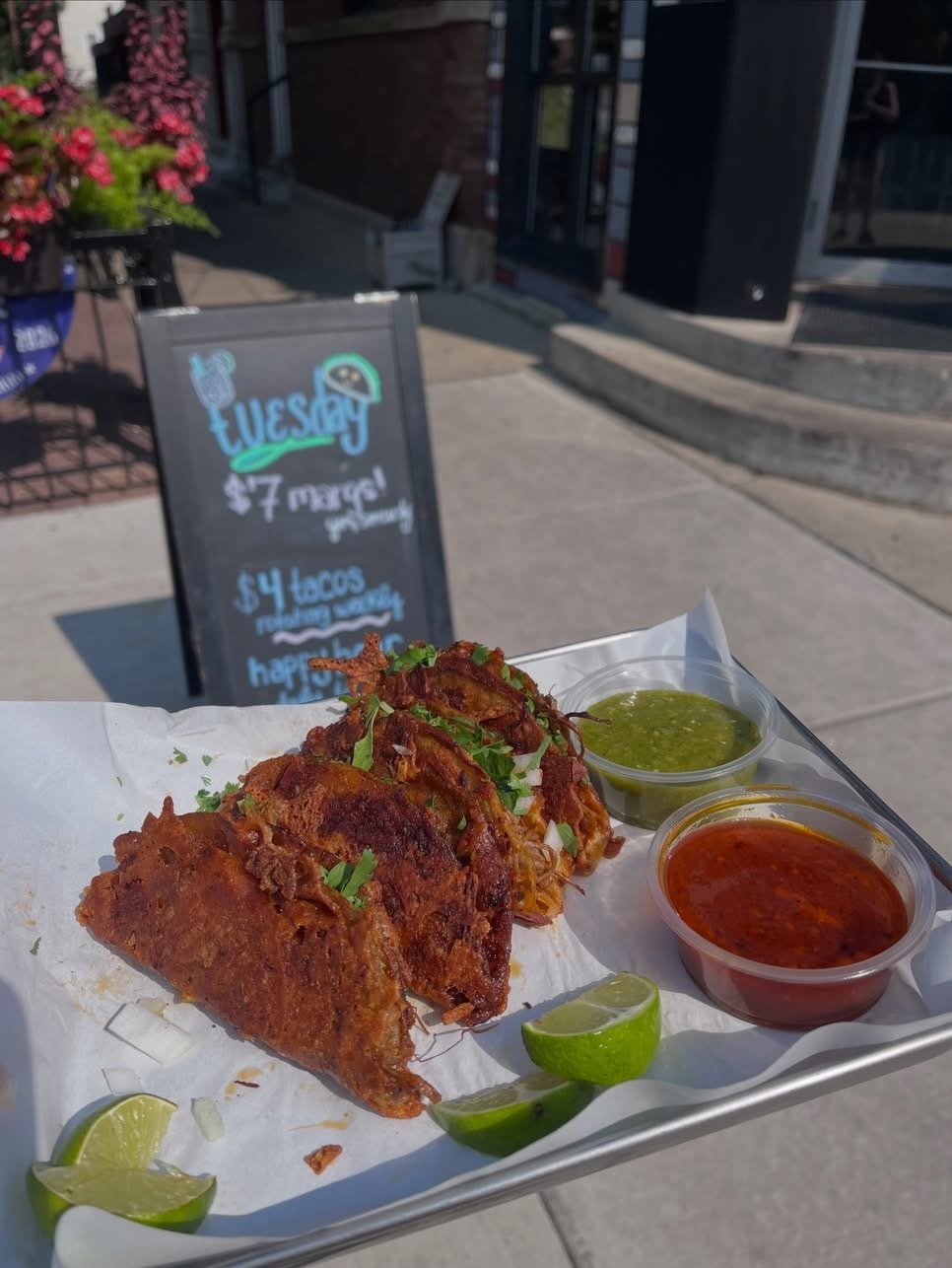
Event catering is the business of preparing and serving food for a group gathering, and dependability is the whole game.
Below, we'll walk through how dine-in, pickup, and delivery stack up, plus a checklist to keep your catering order on track.
Dine-In, Pickup, or Delivery: A Side-by-Side Comparison
Each option solves a different problem, and the right pick depends on three things: how much control you want, how much time you have, and how far the food has to travel. Dine-in gives you a full staffed experience with zero setup on your end. Pickup puts you in control and skips delivery fees, but you're the one hauling trays. Delivery trades a little control for convenience, and the best caterers treat it as a promise, not a gamble.
Here's how the three compare across the factors that actually matter:
| Option | Best For | Control Level | Setup Effort | Main Risk |
|---|---|---|---|---|
| Dine-in | Groups who want zero cleanup | Low | None | Space availability |
| Pickup | Budget-conscious hosts | High | Moderate | Transport and temperature |
| Delivery | Large or off-site events | Medium | Low | Timing and order accuracy |
Cost, Control, and Total Price
Dine-in bundles food, service, and space into one tab, so the total is easy to predict. Pickup usually costs less per head because you skip service and delivery, but add your own gas, time, and containers.
When you compare quotes, ask each caterer to break out the same line items so you're comparing apples to apples:
- Per-person food cost, the base menu price per guest
- Minimum order, the smallest headcount or dollar amount the kitchen will accept
- Delivery fee, often a flat charge or a distance-based rate
- Service charge, a percentage some caterers add for staffed events
- Setup and serving fees, chafing dishes, utensils, and on-site setup
- Taxes and gratuity, the line items that quietly inflate the total
A pickup order that looks cheaper on the menu can cost more once you add containers, ice, and your own drive time. A delivery quote that looks high may include setup you'd otherwise pay for separately.
Timing, Temperature, and Order Risk
Hot food has a short window before it stops being great. Pickup means you own that window, so bring insulated carriers and drive straight there. Delivery hands the timing to the caterer, which is why you confirm the drop-off window in writing. Dine-in removes the risk entirely because the kitchen plates it fresh.
A simple way to think about order risk is to score each mode on three questions:
- Who controls the clock? Pickup puts the clock in your hands; delivery puts it in the caterer's; dine-in puts it in the kitchen's.
- What happens if something goes wrong? For pickup, you can turn around. For delivery, you need a phone number and a backup plan. For dine-in, the fix is usually on-site.
- How many handoffs are there? Every handoff, kitchen to driver, driver to venue, venue to buffet, is a chance for an item to go missing.
A Quick Decision Framework
If you're still on the fence, run through this short checklist:
- Choose dine-in when the venue is the caterer's space, you want zero cleanup, and your guest count fits the room.
- Choose pickup when your budget is tight, your venue is close, and you have a reliable way to keep food hot.
- Choose delivery when the event is off-site, the guest count is large, or you can't leave the venue to grab food.
- Mix modes when it helps, dine-in for the main meal and pickup for dessert is a common pattern for casual parties.
The most dependable choice is the one that matches your capacity to manage the handoffs. If you can't be at the venue two hours early, pickup is the wrong call no matter how much it saves.
How Far in Advance to Order Catering (and Why It Matters)
The short answer: place your event catering order as early as you can, and treat two weeks as a comfortable baseline for most gatherings. Bigger events, holidays, and weekends fill up fast, so give more lead time when you can.
Why the buffer? A good caterer needs room to source ingredients, confirm staffing, and lock your delivery slot. Last-minute orders force shortcuts, and shortcuts are where mistakes creep in.
The Variables That Change Your Lead Time
Two weeks is a starting point, not a rule. Several factors push the number up or down:
- Guest count, a 20-person office lunch is a different lift than a 200-person reception. Larger counts need more sourcing and staffing lead time.
- Menu complexity, dishes that require special-order ingredients or long prep times need more notice than standard comfort food.
- Day of the week, Fridays, Saturdays, and Sundays are the busiest catering days, so weekend events deserve extra buffer.
- Season and holidays, major holidays and the weeks around them book up early, and some ingredients get harder to source.
- Service mode, delivery and dine-in usually need more coordination than pickup, since the caterer has to schedule staff and equipment.
- Dietary accommodations, special menus for allergies or vegetarian guests may need separate prep and sourcing.
A practical pattern many hosts follow is to book four weeks out for large or weekend events, two weeks out for standard gatherings, and one week out only for small, simple orders, and to call rather than book online when the date is close.
A Simple Ordering Timeline
Once you've picked a date, work backward from the event:
- Four to six weeks out, request quotes, compare all-in totals, and book the date.
- Two weeks out, lock the menu, confirm the service mode, and get the drop-off or pickup window in writing.
- One week out, confirm the headcount and flag any dietary needs.
- Two to three days out, reconfirm the delivery window, the day-of contact, and the setup requirements.
- Day of, have the caterer's direct number handy and a backup plan for traffic or weather.
What to Confirm in Writing
Verbal promises are where catering orders go sideways. Before you consider the booking done, get these in writing:
- The exact drop-off or pickup time, plus a window for arrival
- The final headcount deadline and how changes affect the total
- The full menu, including sides and serving utensils
- Packaging details and how hot food stays hot in transit
- The day-of contact name and phone number
- The cancellation and change policy
That written record is your best defense if something goes wrong, and it's the difference between a dependable order and a hopeful one.
Catering for Birthday Parties: Keeping Kids, Parents, and Picky Eaters Happy
Birthday party catering lives or dies on variety. You've got kids who only eat plain food, parents watching what they eat, and that one guest with a dietary restriction nobody warned you about.
Build your birthday spread around:
- Familiar mains like burgers, BBQ, and simple pasta
- A couple of shareable sides that travel well
- One or two lighter or veggie-friendly dishes
- Clear labels so guests know what they're grabbing
A buffet setup lets everyone build a plate they'll actually eat, which cuts waste and complaints in equal measure. For a 30-person party, confirm headcount a few days out so the kitchen can plan portions properly.
Your Event Catering Order Checklist
Use this event catering order checklist to catch the details that slip through the cracks. Run through it once when you book and again a few days before the event.
- Confirm guest count and update it close to the date
- Note dietary needs and allergies for every guest
- Choose your service style: dine-in, pickup, or delivery
- Get the drop-off or pickup window in writing
- Confirm menu items, sides, and serving utensils
- Ask about packaging and how food stays hot
- Save a direct contact number for day-of questions
- Plan a backup for weather or traffic delays
Menu Planning for a Crowd: Guest Count, Dietary Needs, and Variety
Menu planning starts with three numbers: how many guests, how many dietary needs, and how many dishes you can realistically serve hot at once. Get those right and the rest falls into place.
Aim for a mix that covers different tastes without overwhelming the kitchen. Variety matters more than volume, since a focused menu done well beats a sprawling one done poorly.
Office Lunch and Business Meeting Catering That Shows Up On Time
Office lunch catering has one non-negotiable: it has to arrive when you said it would. A late lunch throws off the whole meeting, and nobody remembers the food fondly if the presentation started hungry.
For business meeting catering, keep it simple and easy to serve. Boxed meals and buffet-style spreads both work, and the right pick depends on your space and how much time you have.
A reliable local caterer treats your meeting like their own deadline. That's the standard to hold them to.
Conclusion
Picking a catering option is really a bet on reliability, and the safest bet is a partner who handles dine-in, pickup, and delivery without dropping the ball. At Gio's Bar & Grill, we offer fresh, made-to-order comfort food, a family-friendly atmosphere, and catering services built for events of all sizes, plus a rewards program that pays you back on every order. Ready to plan a gathering that actually goes smoothly? Order online and let us handle the food while you enjoy your guests.
Frequently Asked Questions
How do I choose between catering pickup and delivery?
Pickup usually costs less and gives you full control over timing, but you handle transport and setup. Delivery saves you the trip and works well for larger events or office lunches, though it depends on your delivery area and scheduling. For a small gathering where someone can swing by, pickup is often the simpler call. For a 30-person party or a business meeting where you can't leave, delivery earns its keep. Ask about the delivery area, drop-off window, and whether setup or chafing dishes are included before you book.
How far in advance should I order catering for an event?
For most gatherings, placing your event catering order one to two weeks ahead gives the kitchen time to plan and gives you room to adjust headcount. Larger parties, holiday weekends, and weddings benefit from three to four weeks. Birthday parties and office lunches can often be arranged with a few days' notice, but earlier is safer if you have dietary requests or a specific menu in mind. Always confirm the cutoff when you request a quote, since busy dates fill up.
What should I ask a caterer before placing an event order?
Ask about the delivery area and drop-off window, minimum guest counts, and how far in advance to order catering for your date. Confirm what's included: serving utensils, chafing dishes, packaging, and setup. Ask how they handle dietary needs and last-minute headcount changes. Get a written quote that breaks down food, delivery, and any fees so you can compare total cost. Finally, ask who to call on event day if something goes wrong, and get a name and number you can actually reach.
What is the best food to cater for a birthday party?
Crowd-pleasers win: burgers, BBQ, Mexican classics, and comfort food that travels well and lets guests build their own plates. A mix of proteins plus a vegetarian option covers most tastes, and boxed meals or buffet-style setups keep things simple for kids and adults. For catering for birthday parties, plan about one main per guest with a little buffer, and keep sides easy to serve. Ask your caterer about menu variety and packaging so food stays warm and presentable from kitchen to table.